In Zug we want to produce knowledge, not just methanol
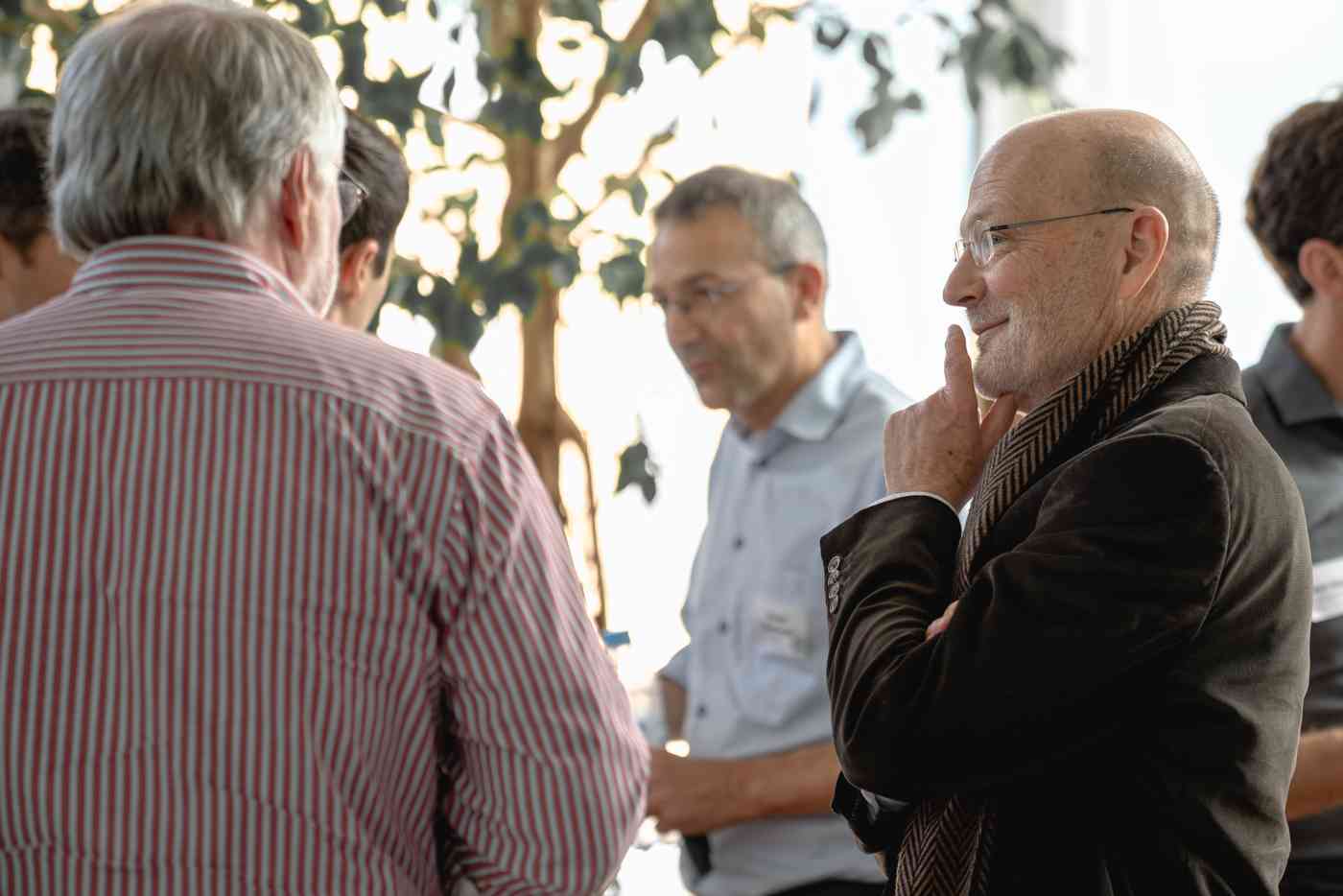
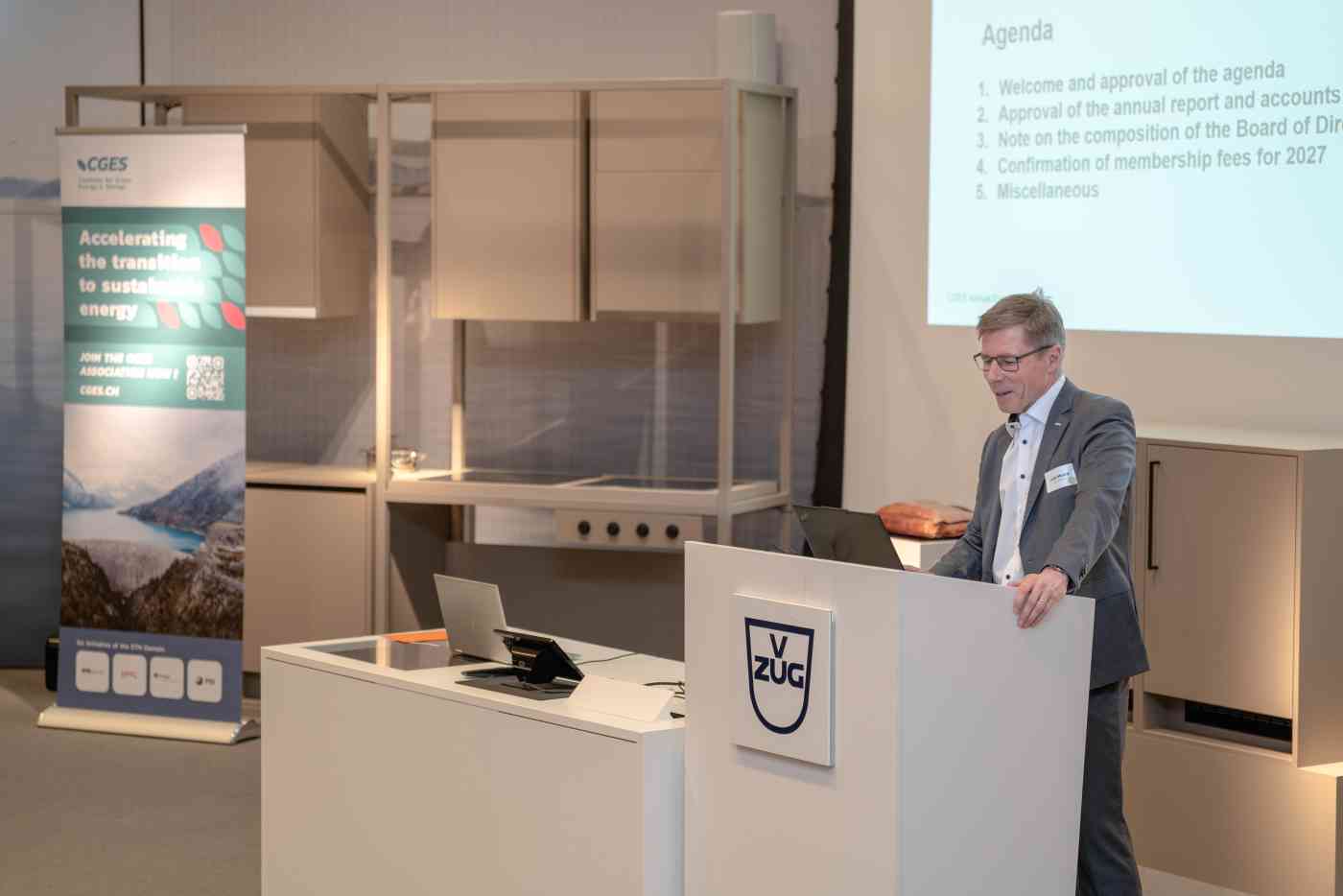
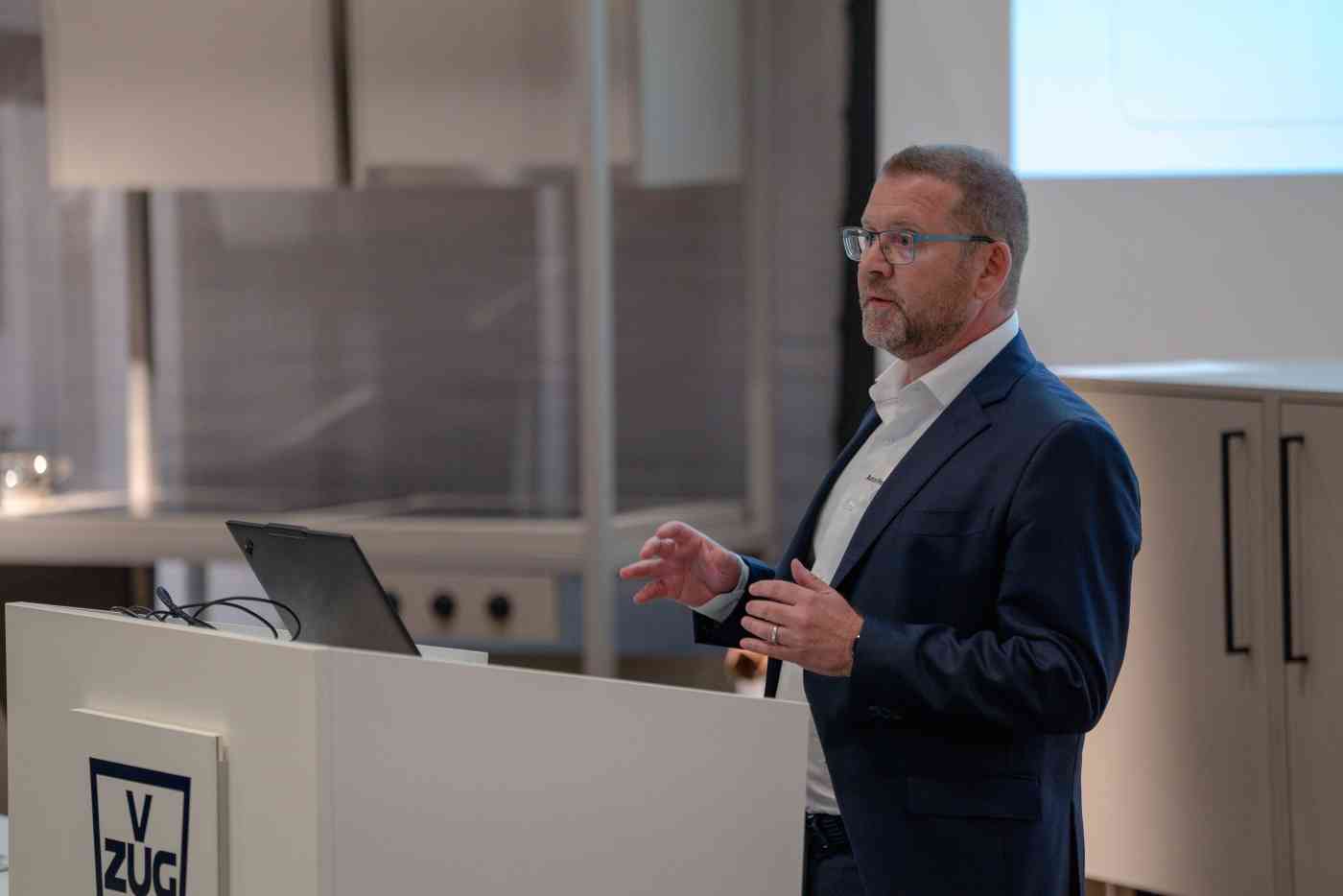
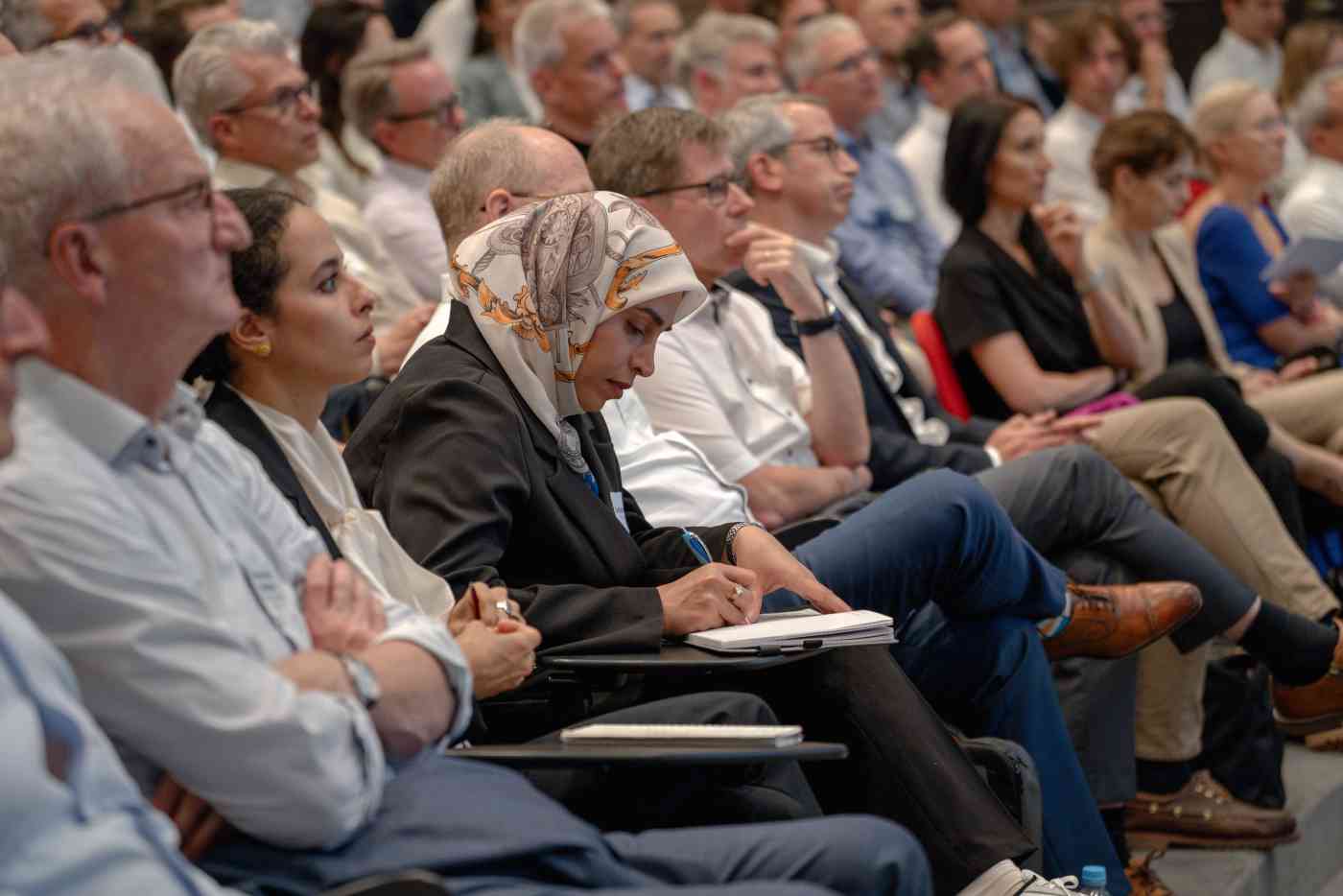
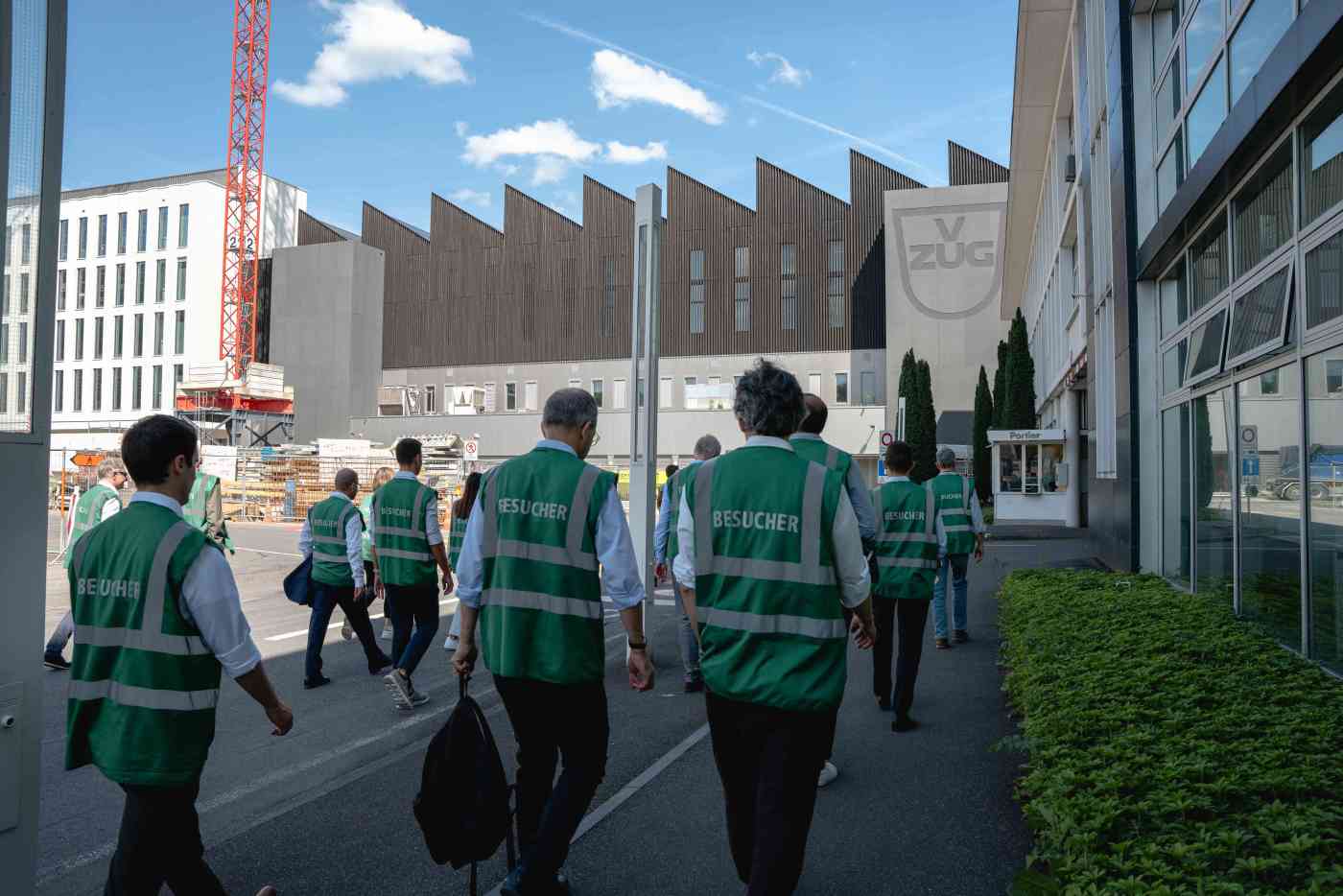
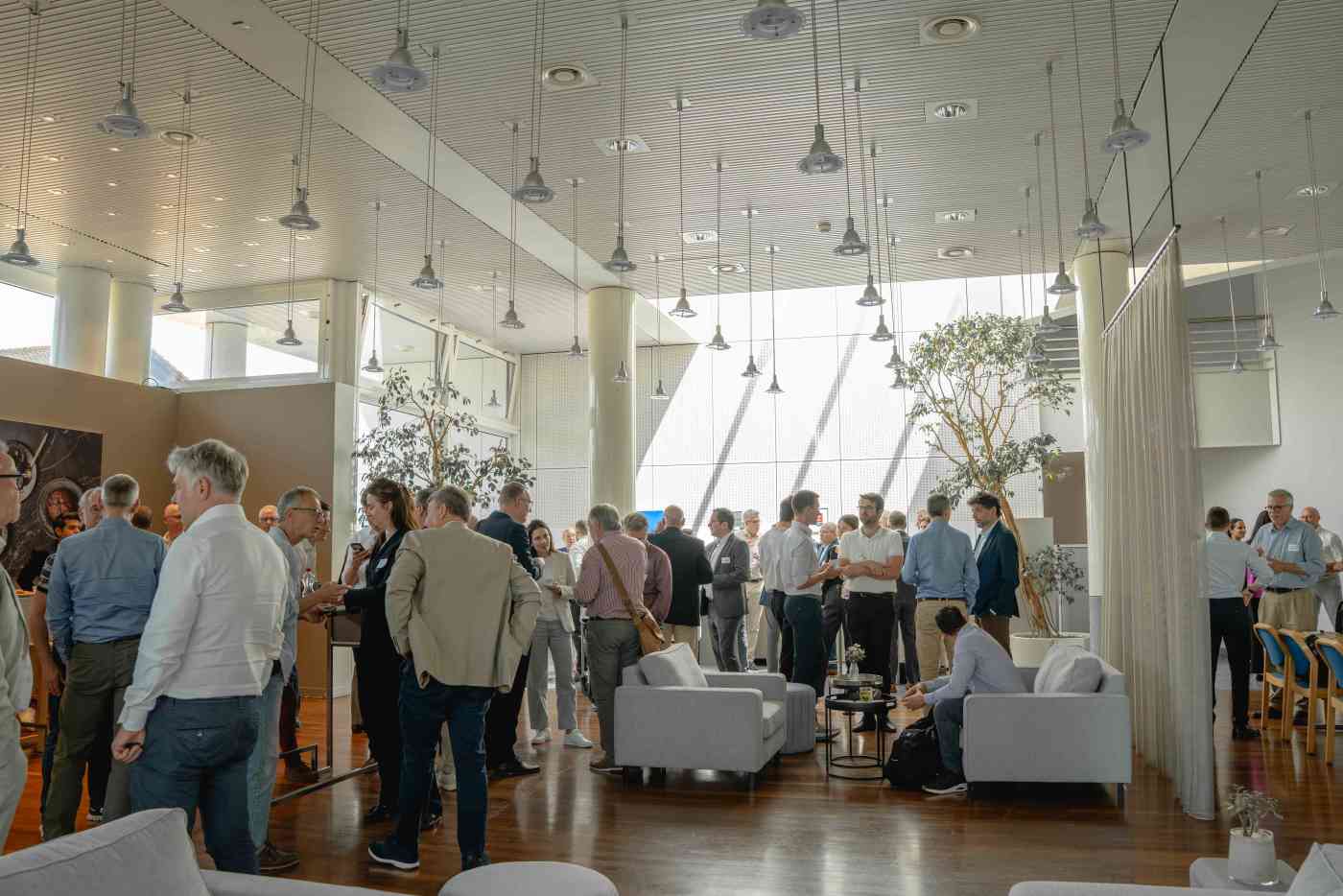
More than 80 participants from industry, politics and academia came together at the Zugorama in Zug for the second Annual Event of CGES on 1 June 2026. The event opened with the Annual General Meeting for CGES members, before an afternoon of presentations centred on green fuels and carbon capture as practical solutions to Switzerland's energy and climate challenges and a visit of the pioneering methane pyrolysis plant at the V-Zug factory.
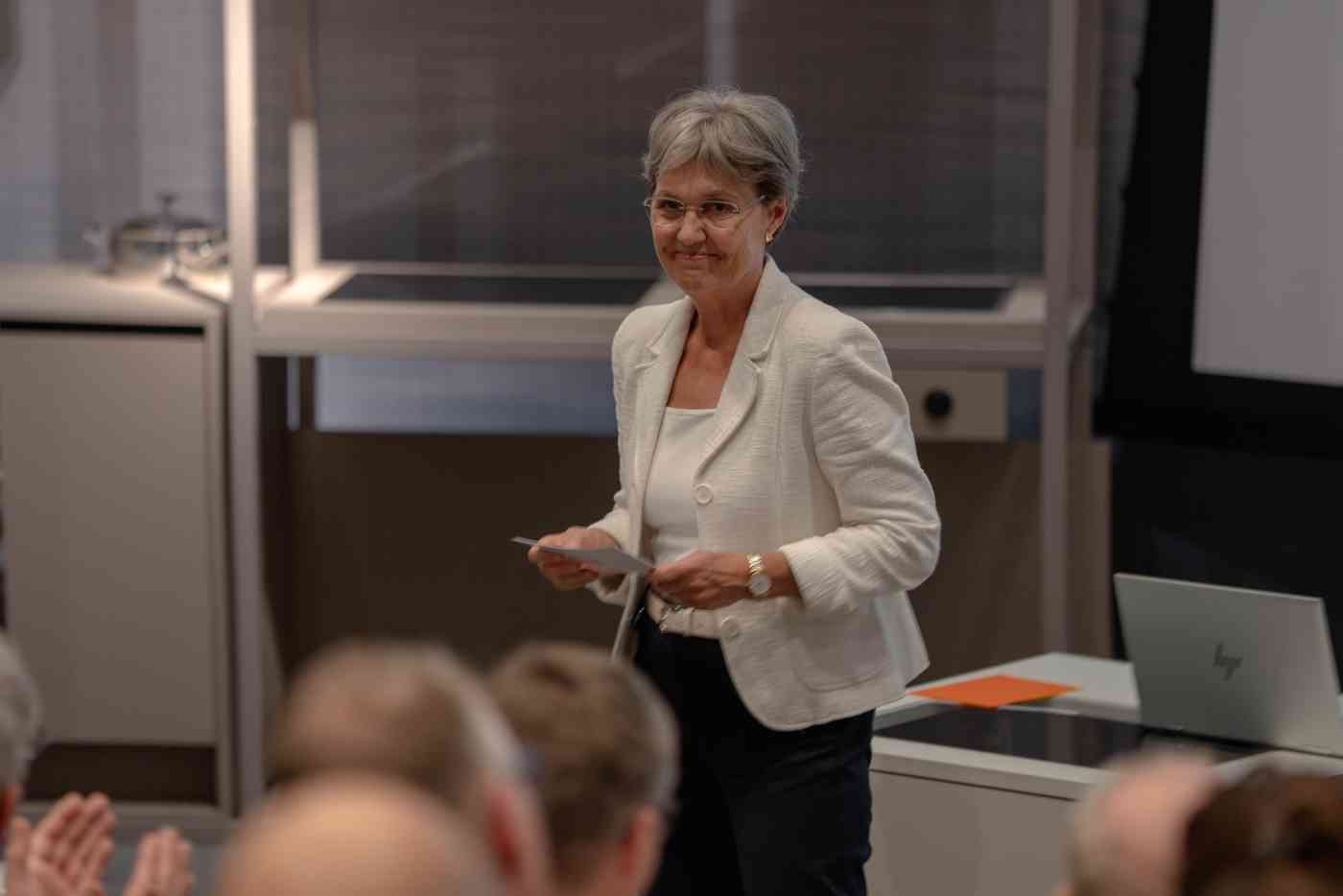
In their welcome remarks, CGES President Joël Mesot (ETH Zurich), Prof. Anna Fontcuberta i Morral (EPFL) and Prof. Christian Rüegg (PSI) highlighted the growing urgency for Switzerland to reduce its dependence on fossil fuels — pointing to geopolitical instability and disrupted supply chains as a reminder that energy independence is both a climate and a strategic imperative. Silvia Thalmann-Gut, Head of the Department of Economic Affairs and Member of the Government Council of the Canton of Zug, extended a warm welcome on behalf of the canton, underlining the government’s support of the Green Methanol Zug project its commitment to sustainable energy.
The Green Methanol Zug catapult as a scalable first step for variable operation
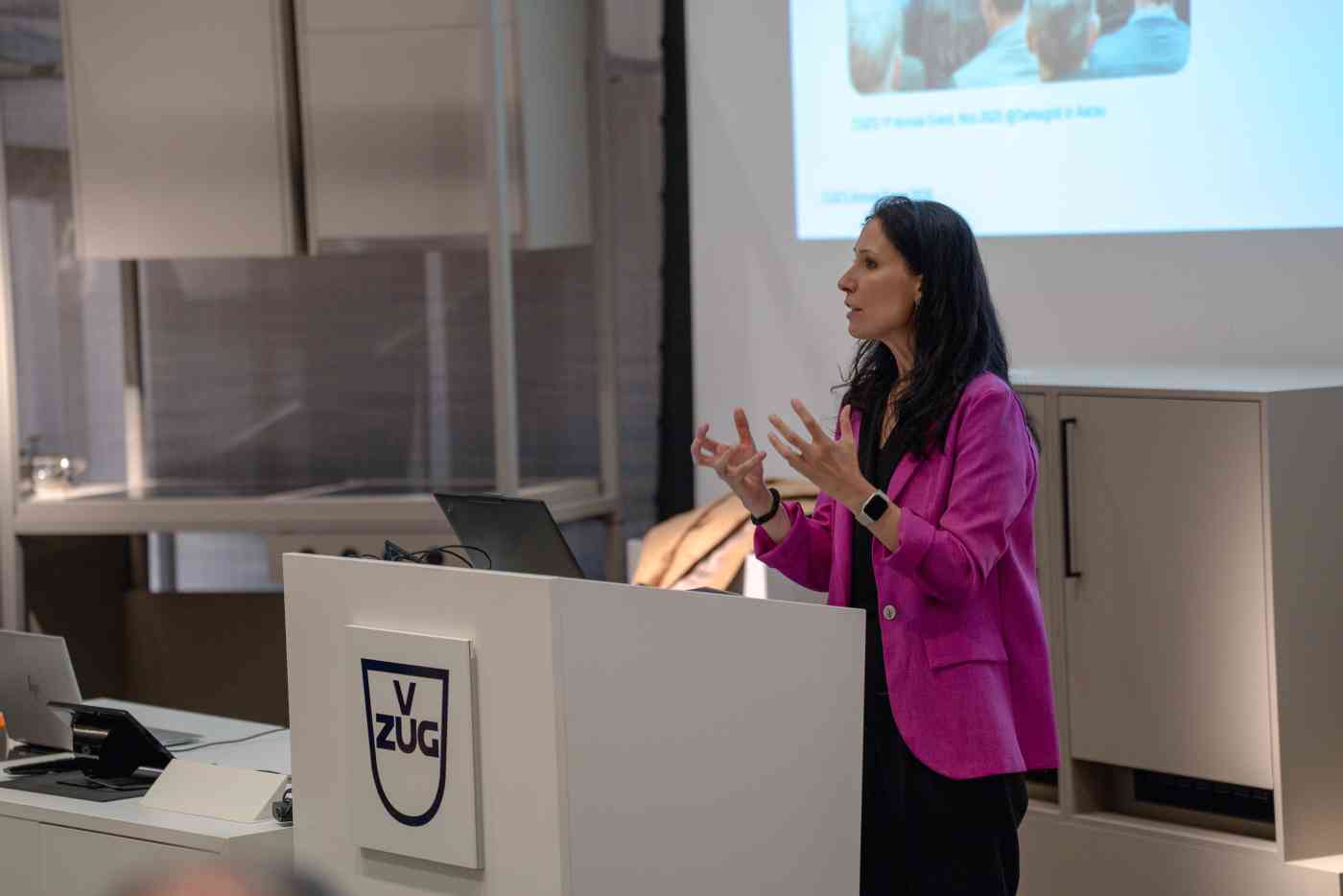
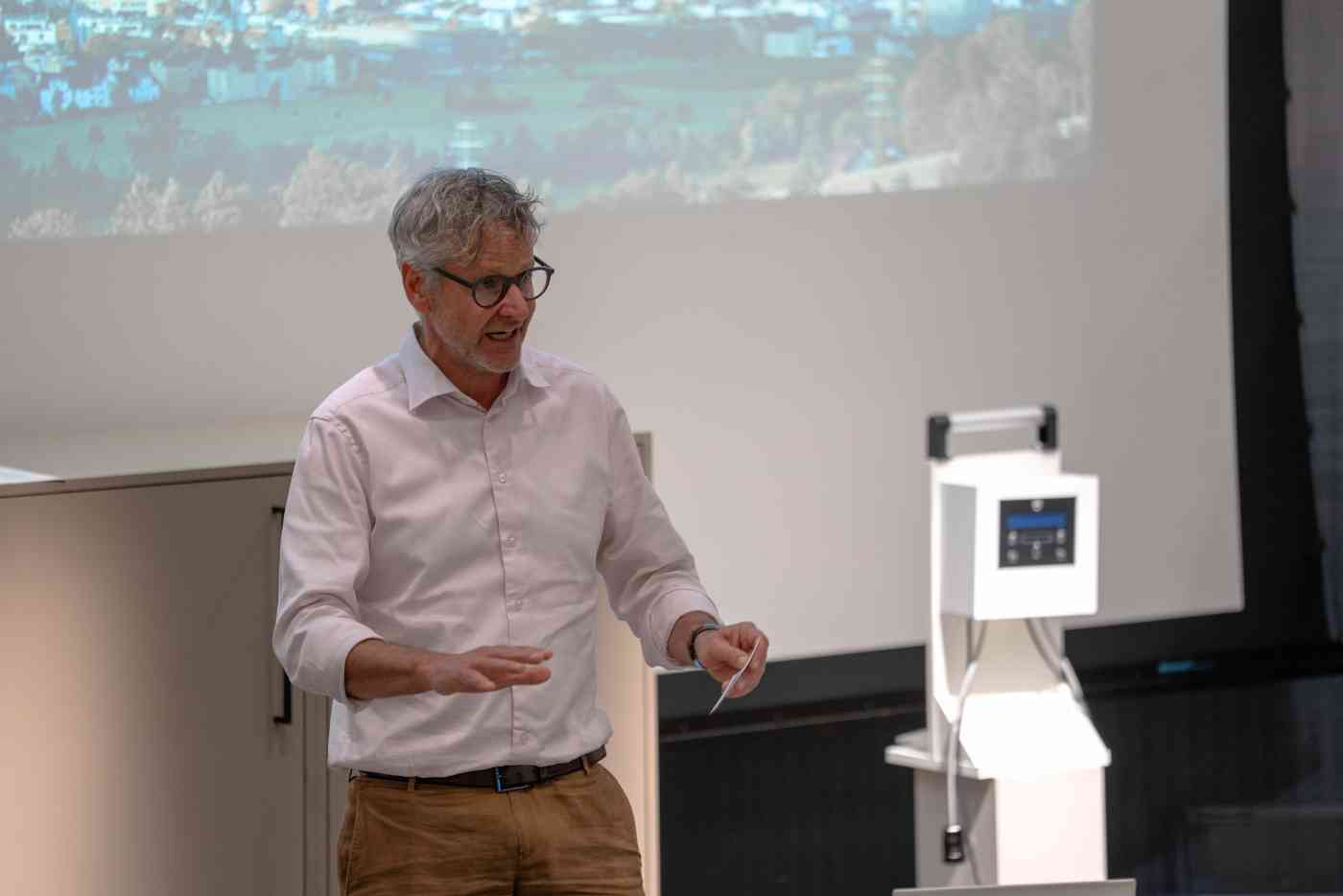
Co-Directors Antonello Nesci and Christoph Sutter and provided an update on CGES's four active catapult projects, followed by a detailed presentation on the Green Methanol Zug (GMZ) demonstrator by Gianfranco Guidati of ETH Zurich's Energy Science Center. The GMZ project combines electrolysis, CO₂ supply and methanol synthesis into a flexible system capable of operating with variable renewable electricity — producing around 180 tonnes of methanol per year, which can be further converted into sustainable aviation fuel. As Guidati summarised: "In Zug we don't produce methanol, we produce knowledge." The project shows a good momentum and strong political support. It will soon enter the preliminary design phase and is conceived as a scalable first step, with technology potentially expanding to industrial-scale production abroad and supply back to Switzerland.
Keynote presentations: from graphene membranes to airline runways
Prof. Kumar Varoon Agrawal (EPFL, NCCR Separations) presented his group's work on porous graphene membranes for low-cost carbon capture. Unlike conventional amine-based systems — which are energy-intensive, chemically fragile and expensive — graphene membranes can capture CO₂ at roughly half the cost, with a compact footprint and no performance degradation even after 1,000 hours of operation in real industrial flue gas at a waste incineration plant in Lausanne. EPFL is now building a full capture and utilisation chain at a waste incineration plant in Valais, targeting one tonne of CO₂ captured per day by 2027.
Nihad Kasraoui of Metafuels presented the company's methanol-to-jet technology, which converts green methanol into certified sustainable aviation fuel. The process is close to receiving full international fuel certification — a critical milestone for commercial deployment. Gabriel Müller of Swiss International Air Lines complemented this with the offtaker’s perspective of a leading airline: SAF is expected to be the single largest lever for aviation decarbonisation by 2050, yet production of synthetic fuels remains far behind regulatory mandates. Joint efforts across producers, airlines, research institutions and policymakers are essential — exactly the kind of collaboration that CGES enables.
Zug as a living energy laboratory
The afternoon closed with Beat Weiss of Techcluster Zug, presenting its energy ecosystem and its methane pyrolysis initiative — a technology that produces hydrogen and solid carbon from natural gas without direct CO₂ emissions, and which V-Zug is using in its manufacturing facility as part of its ambition to reduce its carbon footprint. Participants then visited the pyrolysis plant before gathering for a networking apéro, bringing together members and guests across industry, academia and the public sector.
CGES currently counts 17 member organisations. Interested organisations are warmly invited to join as members.